bestwaytoloseweight.com

Ingredient library

Ingredients that make meals work.

Compare simple food ingredients by kitchen role, best uses, and how easily they support protein, fiber, produce, and satisfying meal structure.

Ingredient library

Food building blocks worth repeating.

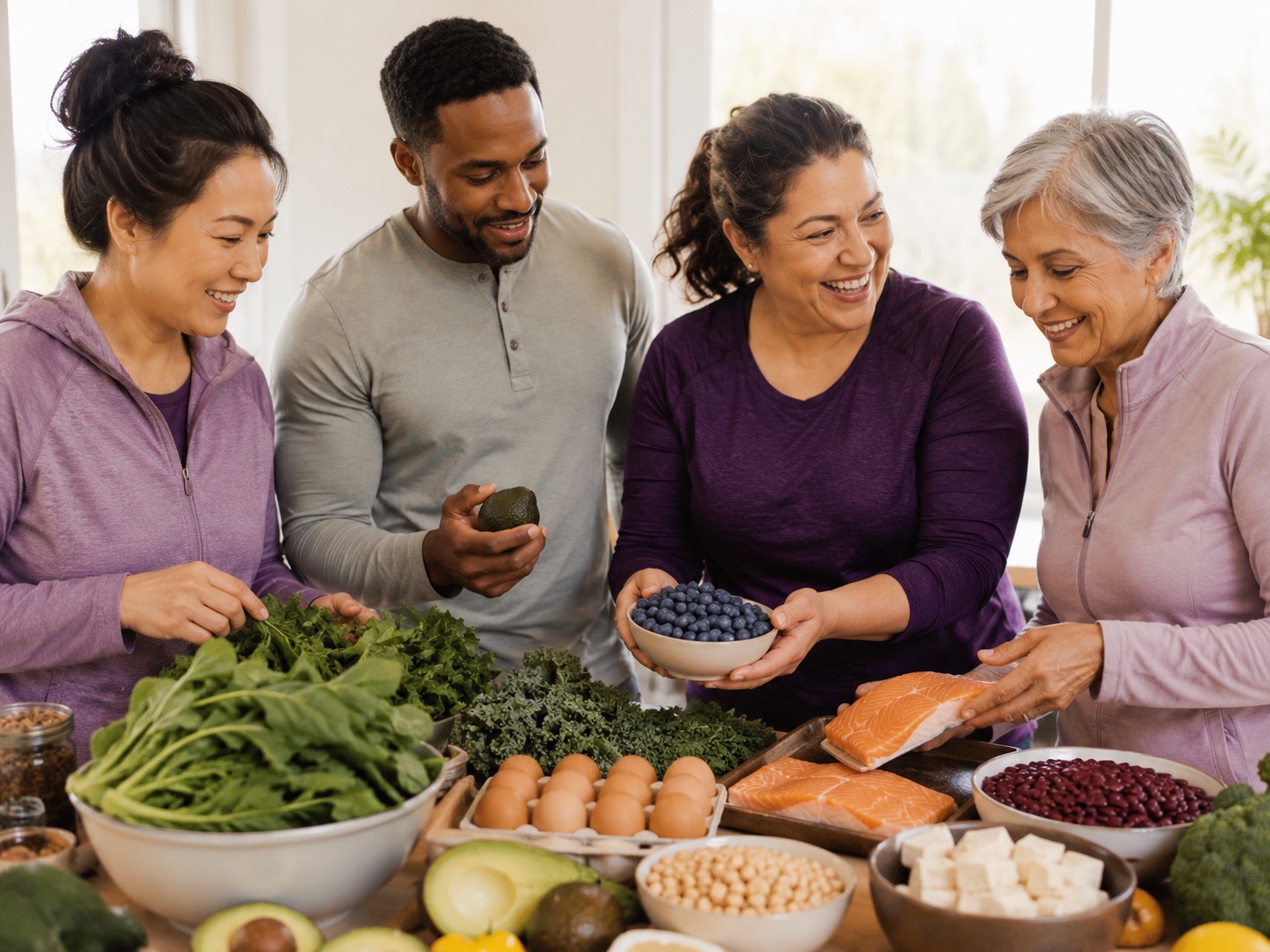
Use this library to compare practical protein, fiber, produce, whole-grain, legume, and healthy-fat options before building meals around them.

Group

Showing 21 of 21 ingredients.

Nut

Ingredient guide

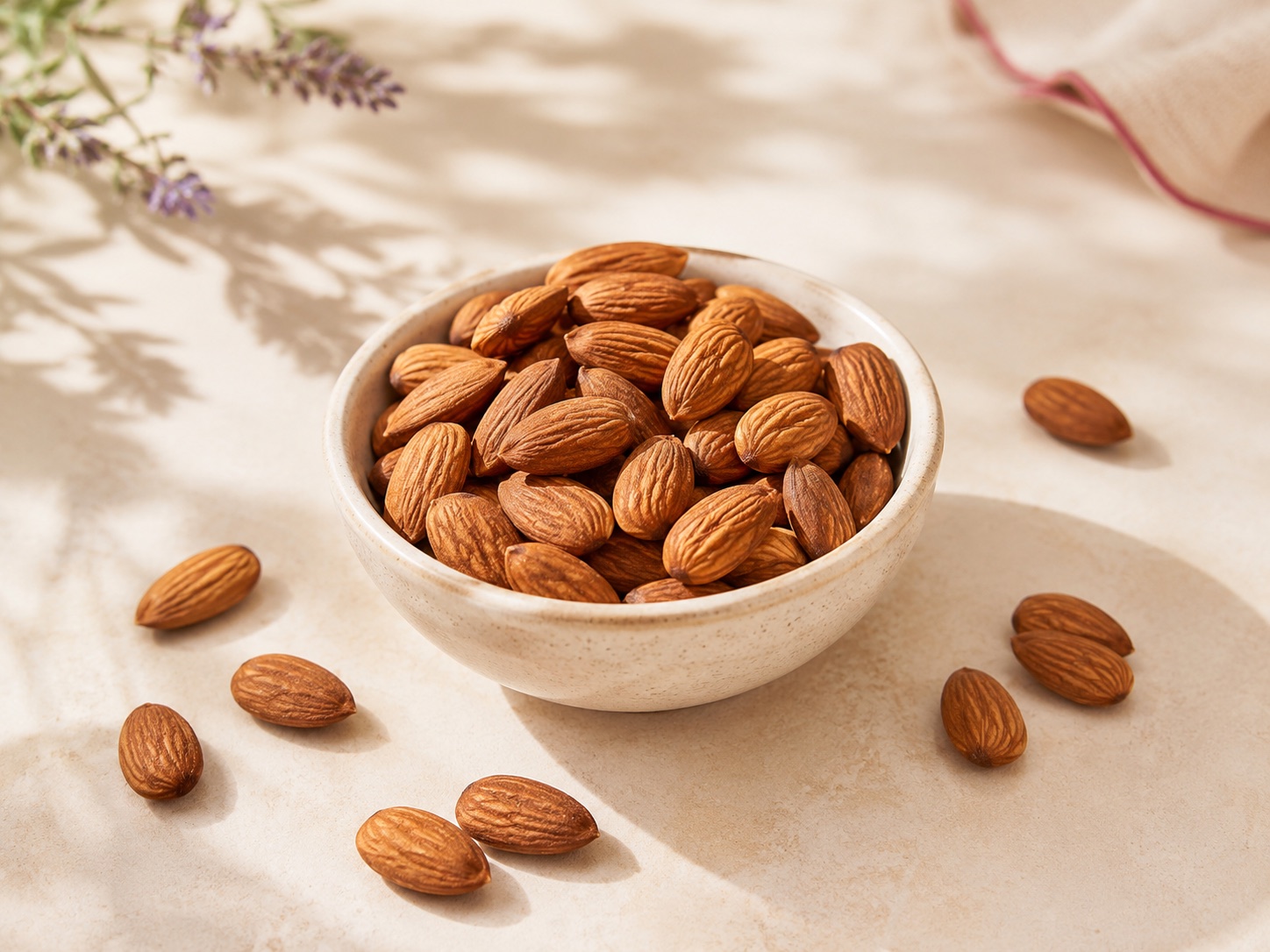
Almonds

A crunchy source of unsaturated fat, fiber, and some protein that works best in measured snack or topping portions.
First move

Pre-portion almonds instead of eating from the bag.

Best uses

  • Measured snack with fruit
  • Topping for oats or yogurt
  • Crunch in salads or roasted vegetables

Pairings

ApplesBerriesGreek yogurtLeafy greens

Watchouts

  • Nut portions are easy to underestimate.
  • Salted and flavored versions can add sodium or sugar.
Prep notes, clinical notes, and sources

Prep notes

  • Use small containers or bags for automatic portions.
  • Choose unsalted when sodium is a concern.
  • Chop or slice almonds to spread texture across a meal.

Clinical notes

  • Tree nut allergy requires avoidance.
  • People with dental or swallowing issues may need different textures.

Sources
Fruit

Ingredient guide

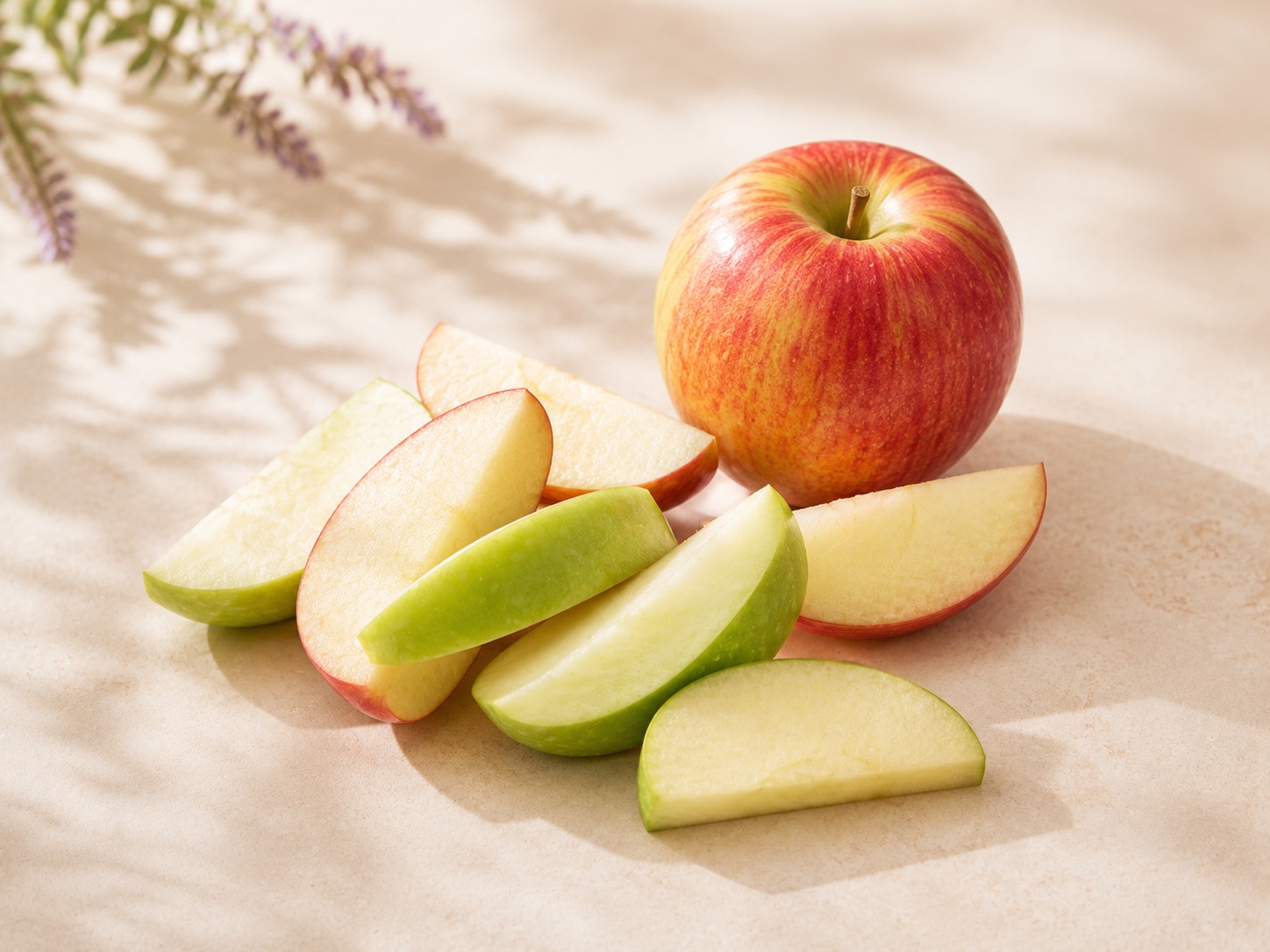
Apples

A portable fruit that adds crunch, fiber, and sweetness to snacks, salads, oats, and simple desserts.

First move

Pair an apple with protein or fat when it needs to function as a real snack.

Best uses

  • Sliced with Greek yogurt dip or cottage cheese
  • Chopped into oatmeal or salads
  • Baked with cinnamon for a simple dessert

Pairings

Cottage cheeseGreek yogurtAlmondsOats

Watchouts

  • Apple juice and sweetened applesauce are less filling than whole apples.
  • A fruit-only snack may not hold hunger long for everyone.
Prep notes, clinical notes, and sources

Prep notes

  • Keep the peel when tolerated for more fiber.
  • Cut ahead with lemon juice if browning is a barrier.
  • Use cinnamon, yogurt, or nuts before turning it into a high-sugar dessert.

Clinical notes

  • People with IBS or fructose intolerance may not tolerate apples well.
  • People managing diabetes can pair apples with protein and monitor personal glucose response.

Sources

Unsaturated fat

Ingredient guide

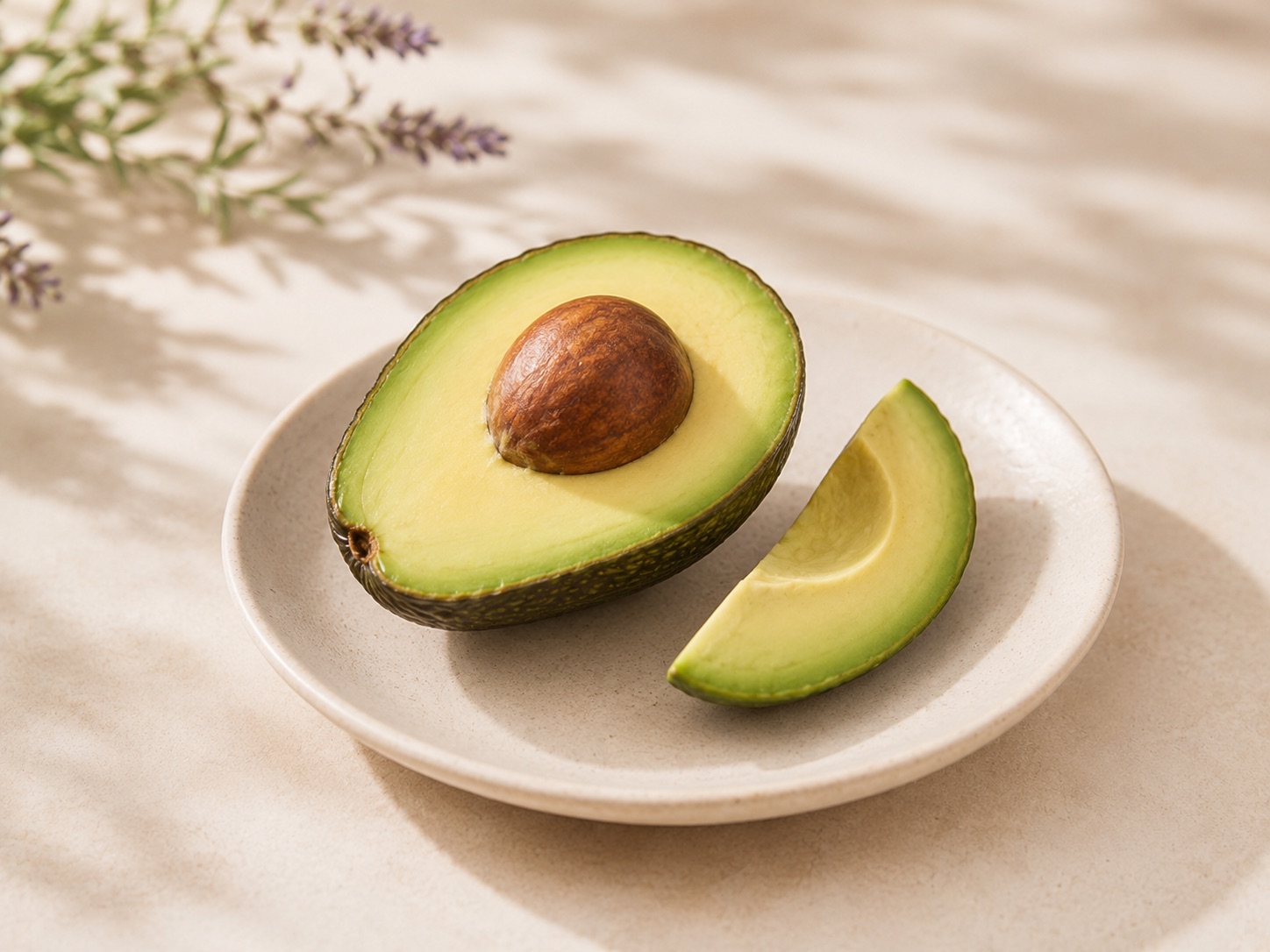
Avocado

A creamy source of unsaturated fat and fiber that can make lean meals more satisfying in measured portions.

First move

Use avocado as the measured fat in a meal, not an extra on top of several other fats.

Best uses

  • Topping for bean bowls or eggs
  • Mashed into toast with protein
  • Creamy addition to salads and wraps

Pairings

EggsBlack beansLeafy greensChicken breast

Watchouts

  • Avocado is nutrient-dense but calorie-dense, so portion still matters.
  • Guacamole can bring extra chips and sodium along with it.
Prep notes, clinical notes, and sources

Prep notes

  • Use lemon, lime, salsa, or herbs to stretch flavor.
  • Choose one primary fat source per meal when weight loss is the goal.
  • Store cut avocado tightly covered with citrus to reduce browning.

Clinical notes

  • Kidney disease or potassium restrictions may change avocado portions.
  • Latex-fruit syndrome can be relevant for some people with latex allergy.

Sources

Fruit

Ingredient guide

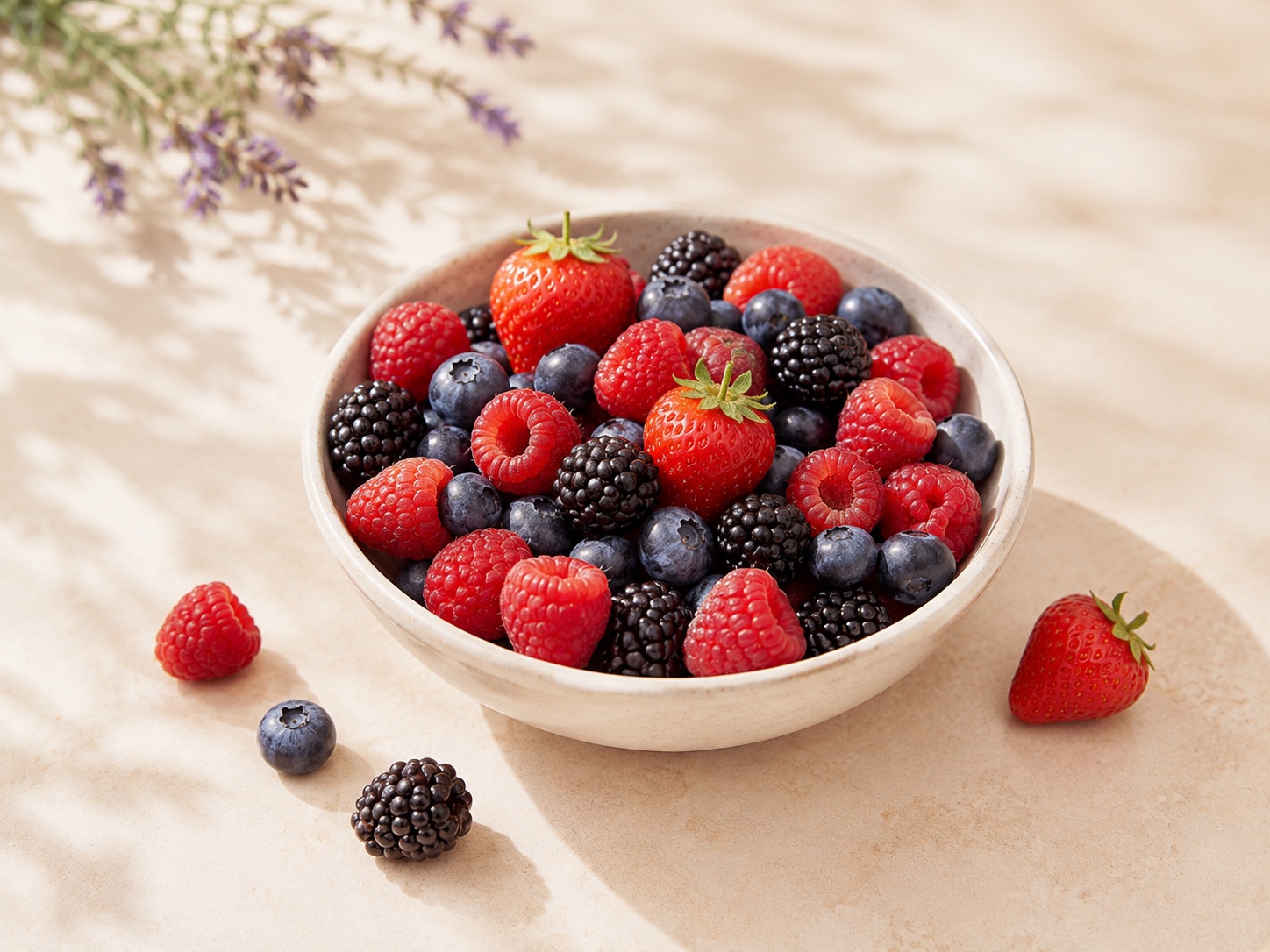
Berries

A high-fiber fruit option that brings sweetness, color, and volume to meals without much prep.

First move

Keep frozen berries available for yogurt, oats, smoothies, or a simple dessert bowl.

Best uses

  • Greek yogurt bowls
  • Oatmeal or overnight oats
  • Smoothies with protein and fiber

Pairings

Greek yogurtOatsChia seedsCottage cheese

Watchouts

  • Juices, syrups, and sweetened fruit cups do not behave like whole berries.
  • Dried fruit portions are much smaller than fresh or frozen portions.
Prep notes, clinical notes, and sources

Prep notes

  • Frozen berries are often the easiest default.
  • Use whole berries more often than juice or sweetened sauces.
  • Pair with protein when berries are part of breakfast or snacks.

Clinical notes

  • People managing blood sugar may need to test smoothie portions because blended drinks can be easy to overconsume.
  • Food allergy is uncommon but possible.

Sources

Legume

Ingredient guide

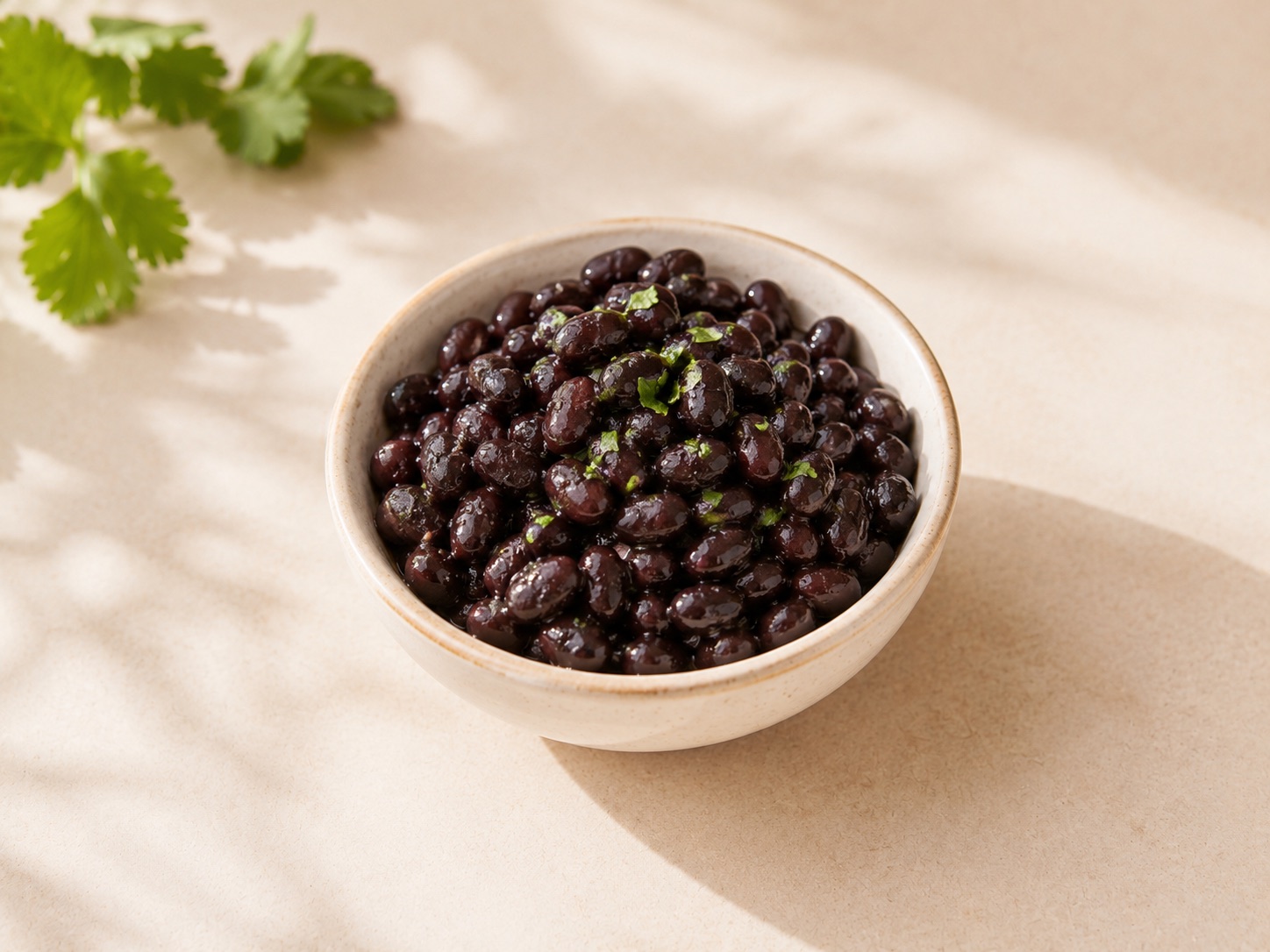
Black beans

A pantry-friendly source of plant protein and fiber that can make bowls, soups, tacos, and salads more filling.

First move

Keep one low-sodium can ready for a protein-and-fiber backup meal.

Best uses

  • Bean bowls with vegetables and salsa
  • Soup with tomatoes, peppers, and spices
  • Taco filling with cabbage, avocado, and yogurt sauce

Pairings

QuinoaEggsAvocadoLeafy greens

Watchouts

  • Canned beans vary widely in sodium.
  • Bean portions may need to build gradually for digestive comfort.
Prep notes, clinical notes, and sources

Prep notes

  • Rinse canned beans to reduce sodium.
  • Mash with spices for quick spreads or taco filling.
  • Pair with vegetables to avoid a mostly-starch plate.

Clinical notes

  • People with kidney disease or potassium restrictions should personalize bean portions.
  • People managing blood sugar can test portions and pairings against glucose response.

Sources

Vegetable

Ingredient guide

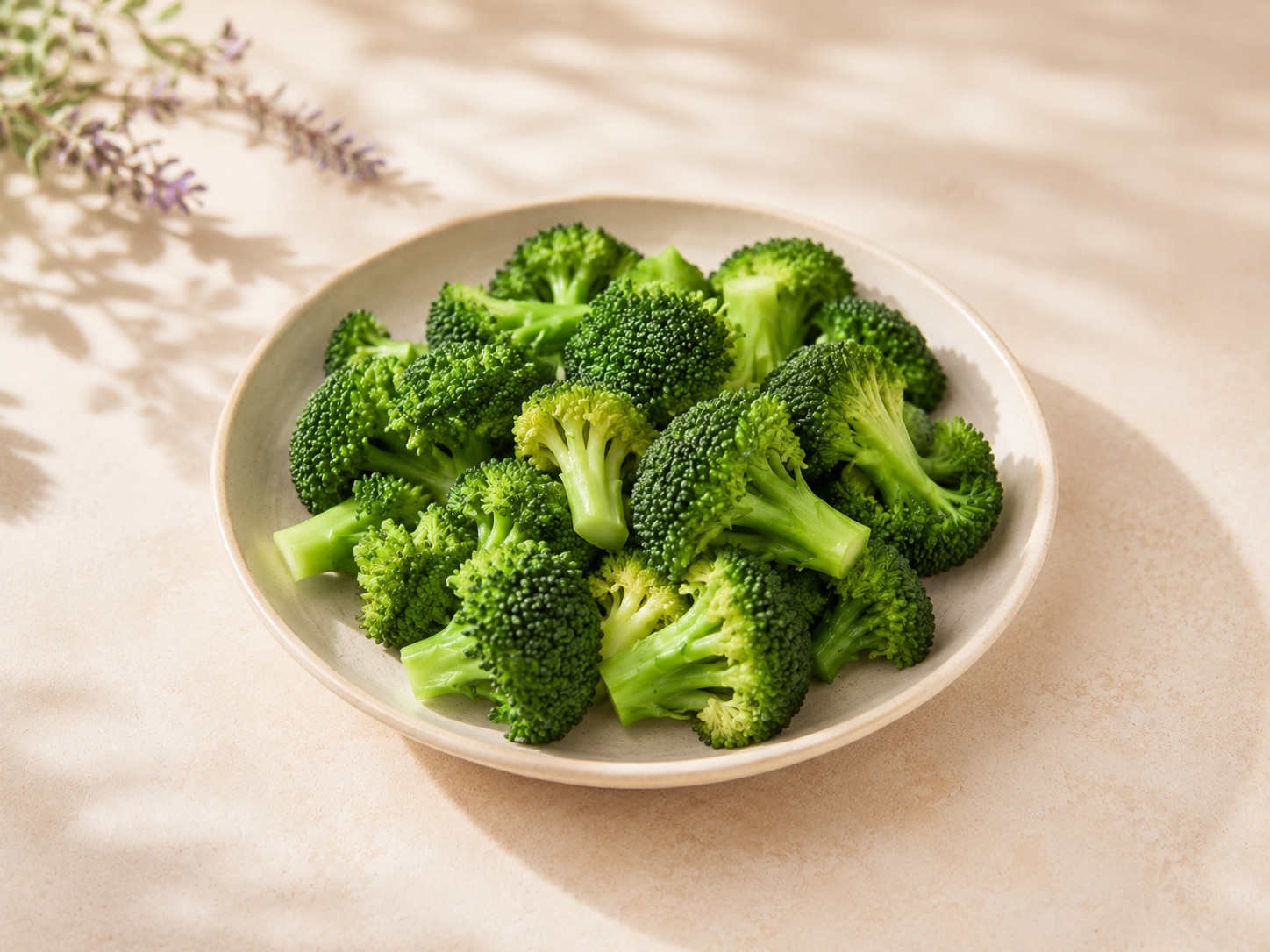
Broccoli

A high-volume cruciferous vegetable that works roasted, steamed, raw, or chopped into bowls and stir-fries.

First move

Roast a tray of broccoli and use it as the vegetable default for two meals.

Best uses

  • Roasted broccoli with lemon and olive oil
  • Stir-fry with tofu or chicken
  • Chopped into soups, bowls, or egg dishes

Pairings

TofuChicken breastSalmonOlive oil

Watchouts

  • Cream sauces and heavy cheese can change the meal quickly.
  • Large portions may bother people with gas or bloating sensitivity.
Prep notes, clinical notes, and sources

Prep notes

  • High heat roasting improves texture and flavor.
  • Frozen broccoli is useful for soups and stir-fries.
  • Use sauces deliberately so the vegetable still does its job.

Clinical notes

  • People on warfarin should keep vitamin K intake consistent.
  • Digestive tolerance varies with cruciferous vegetables.

Sources

Seed

Ingredient guide

Chia seeds

A fiber-rich seed that thickens liquids and adds texture, omega-3 ALA, and staying power in small portions.

First move

Add one measured spoonful to yogurt or oats and increase gradually if digestion tolerates it.

Best uses

  • Chia pudding with protein-rich milk or yogurt
  • Overnight oats
  • Yogurt bowls with berries

Pairings

Greek yogurtOatsBerriesFlaxseed

Watchouts

  • Portions add up quickly because seeds are calorie-dense.
  • Large dry spoonfuls are not a good idea; chia absorbs liquid and expands.
Prep notes, clinical notes, and sources

Prep notes

  • Let chia hydrate before eating when using more than a sprinkle.
  • Measure portions because tablespoons disappear quickly.
  • Use with protein-rich bases to avoid a mostly-fat-and-fiber snack.

Clinical notes

  • People with swallowing issues should avoid dry chia spoonfuls.
  • People on anticoagulants or with digestive narrowing should ask a clinician if unsure.

Sources

Lean protein

Ingredient guide

Chicken breast

A lean protein staple that works for meal prep when flavor and texture are handled intentionally.

First move

Cook one batch with a sauce plan, then use it across bowls, wraps, and salads.

Best uses

  • Sheet-pan chicken and vegetables
  • Chicken salad with Greek-yogurt dressing
  • Grain bowls with beans, greens, and salsa

Pairings

Greek yogurtLeafy greensBroccoliQuinoa

Watchouts

  • Dry chicken tends to push meals toward heavy sauces.
  • Processed chicken products can be high in sodium or breading.
Prep notes, clinical notes, and sources

Prep notes

  • Season before cooking and slice after resting to keep texture better.
  • Use marinades, yogurt sauces, salsa, or vinaigrettes for moisture.
  • Batch cook only what can be used safely within a few days.

Clinical notes

  • Food safety matters: cook poultry thoroughly and avoid cross-contamination.
  • Sodium-conscious plans should compare packaged, rotisserie, and deli options carefully.

Sources

Legume

Ingredient guide

Chickpeas

A high-fiber legume that works whole, mashed, roasted, or blended into hummus for filling meals and snacks.

First move

Use chickpeas as the protein in one lunch bowl before adding extra snack foods.

Best uses

  • Chickpea salad with vegetables and herbs
  • Hummus with vegetables or whole-grain pita
  • Sheet-pan chickpeas with broccoli or cauliflower

Pairings

Olive oilLeafy greensBroccoliQuinoa

Watchouts

  • Roasted chickpea snacks can be easy to over-portion.
  • Prepared hummus can carry more oil or sodium than expected.
Prep notes, clinical notes, and sources

Prep notes

  • Rinse canned chickpeas before using.
  • Use lemon, vinegar, herbs, and spices for flavor before adding more oil.
  • Roast until crisp when you need texture in salads or bowls.

Clinical notes

  • Digestive tolerance varies; smaller portions may work better at first.
  • Kidney disease or potassium restrictions can change serving targets.

Sources

Protein dairy

Ingredient guide

Cottage cheese

A convenient high-protein dairy ingredient that can work sweet, savory, blended, or as a snack base.

First move

Try it as a savory bowl with vegetables or as a fruit bowl before using it as a dessert substitute.

Best uses

  • Snack plate with fruit or vegetables
  • Blended sauce for potatoes or bowls
  • Protein layer in toast, eggs, or salads

Pairings

BerriesPotatoesEggsLeafy greens

Watchouts

  • Sodium can be high, especially in larger servings.
  • Texture and dairy tolerance are make-or-break for adherence.
Prep notes, clinical notes, and sources

Prep notes

  • Compare sodium if eating it often.
  • Blend for a smoother sauce or dip.
  • Pair with produce so the snack has fiber and volume.

Clinical notes

  • Milk allergy requires avoidance.
  • People with sodium restrictions should check labels and serving size.

Sources

Protein

Ingredient guide

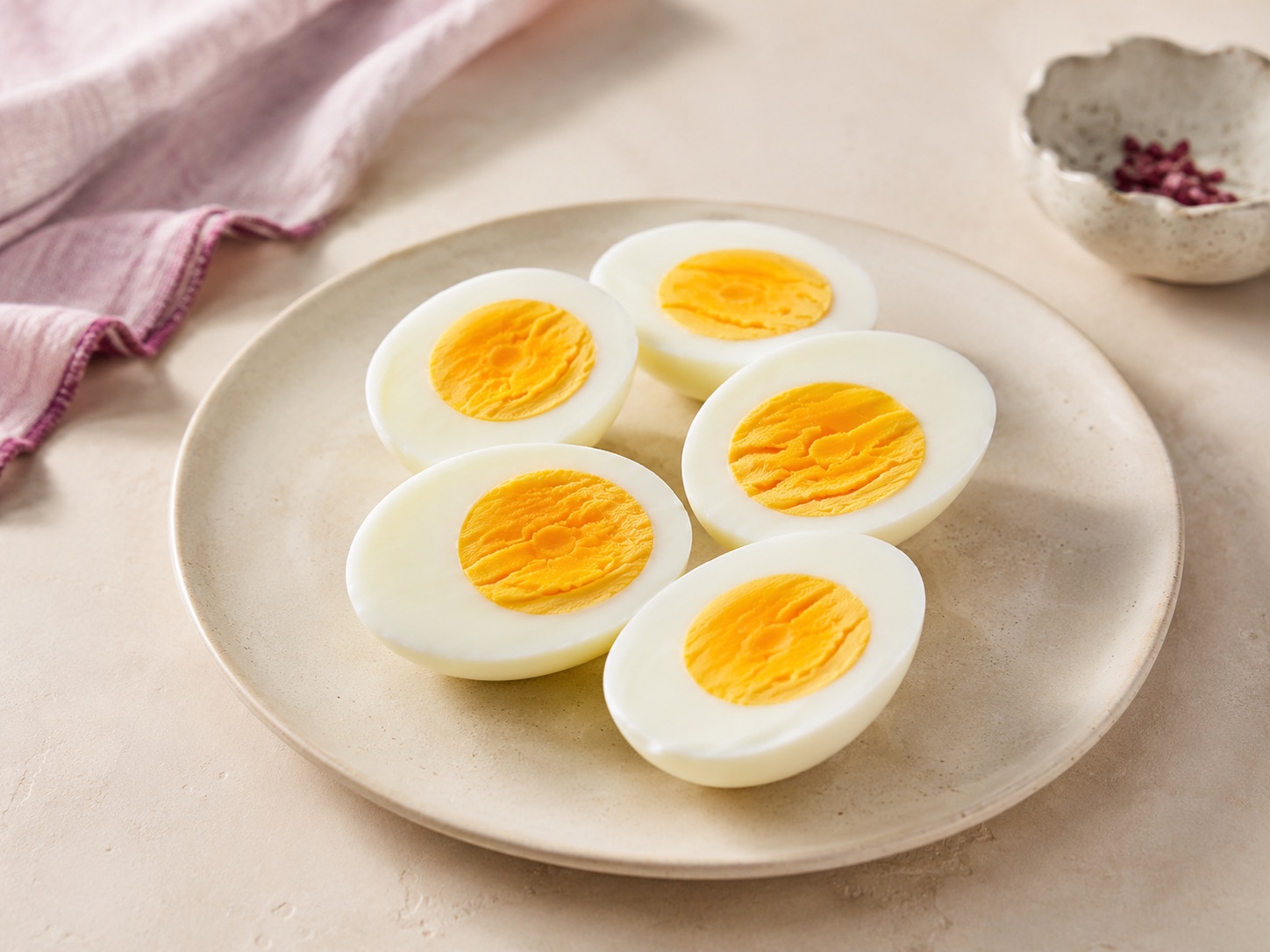
Eggs

A compact protein ingredient that works for quick meals, meal prep, and adding structure to vegetable-heavy plates.

First move

Pair eggs with vegetables or beans before adding refined starches or processed meats.

Best uses

  • Vegetable omelets or scrambles
  • Hard-boiled eggs for snack boxes
  • Eggs over beans, greens, potatoes, or quinoa

Pairings

Leafy greensBlack beansPotatoesAvocado

Watchouts

  • Frequent high-saturated-fat sides can change the meal's health profile.
  • Egg allergy or individualized cholesterol guidance may change fit.
Prep notes, clinical notes, and sources

Prep notes

  • Boil several at once for ready protein.
  • Use vegetables to increase volume without making the plate heavy.
  • Keep sauces and sides aligned with the broader diet goal.

Clinical notes

  • People with diabetes or high LDL cholesterol should follow their clinician's personalized lipid guidance.
  • Food safety matters for pregnancy, older adults, and immunocompromised people.

Sources

Seed

Ingredient guide

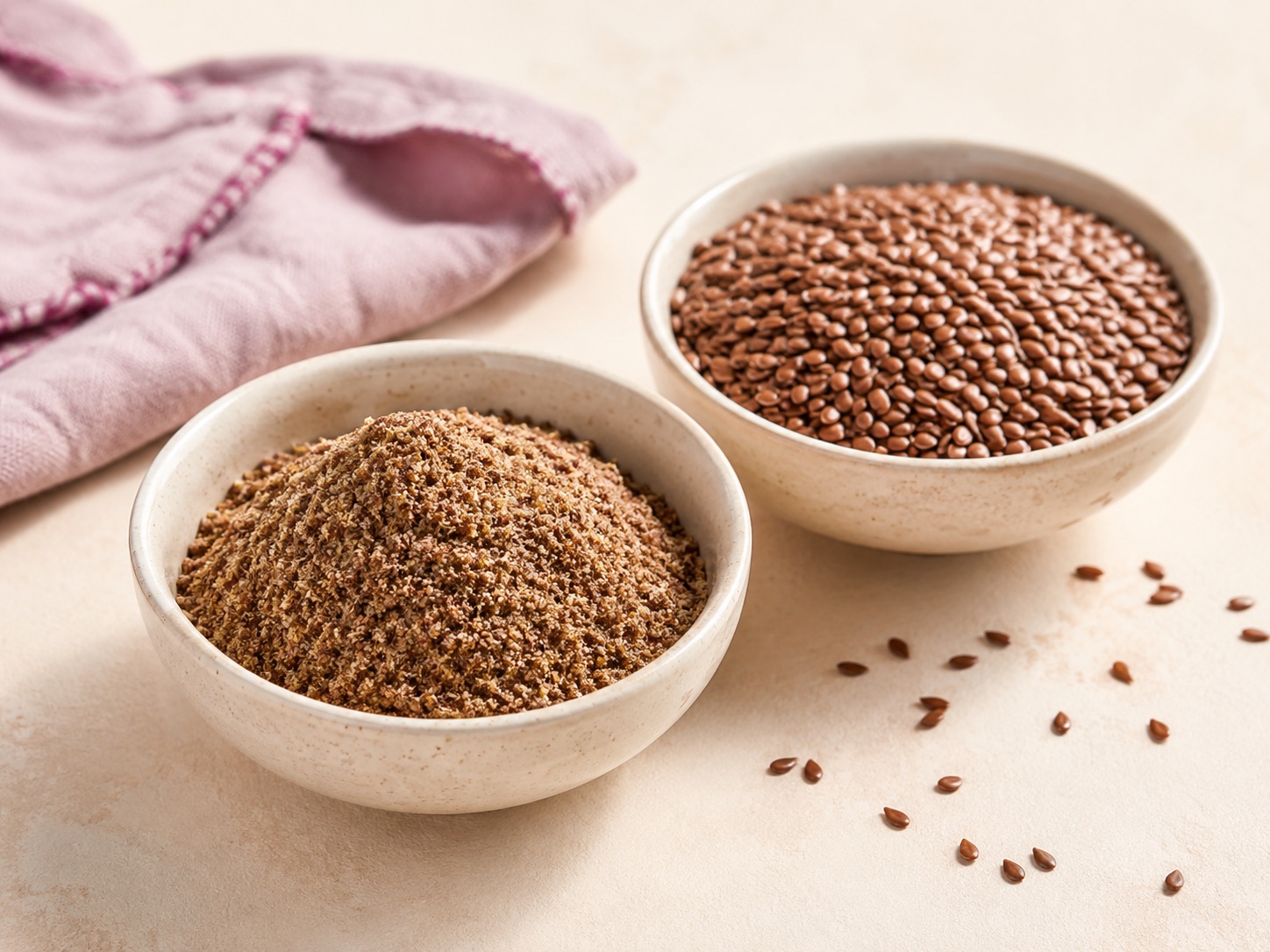
Flaxseed

A fiber- and ALA-rich seed that works best ground and measured into breakfasts, smoothies, and baked goods.

First move

Use ground flax in one daily breakfast, starting with a small measured amount.

Best uses

  • Mixed into oatmeal or yogurt
  • Blended into smoothies
  • Added to pancakes, muffins, or protein bites

Pairings

OatsGreek yogurtBerriesChia seeds

Watchouts

  • Whole flax can pass through with less benefit than ground flax.
  • Too much too quickly can cause digestive discomfort.
Prep notes, clinical notes, and sources

Prep notes

  • Buy ground flax or grind whole seeds before using.
  • Store ground flax cold if using it slowly.
  • Use it as an add-on, not a reason to make a low-protein meal.

Clinical notes

  • People with digestive strictures, major GI symptoms, or medication timing concerns should ask a clinician.
  • Fiber changes should be gradual and paired with fluids.

Sources

Protein dairy

Ingredient guide

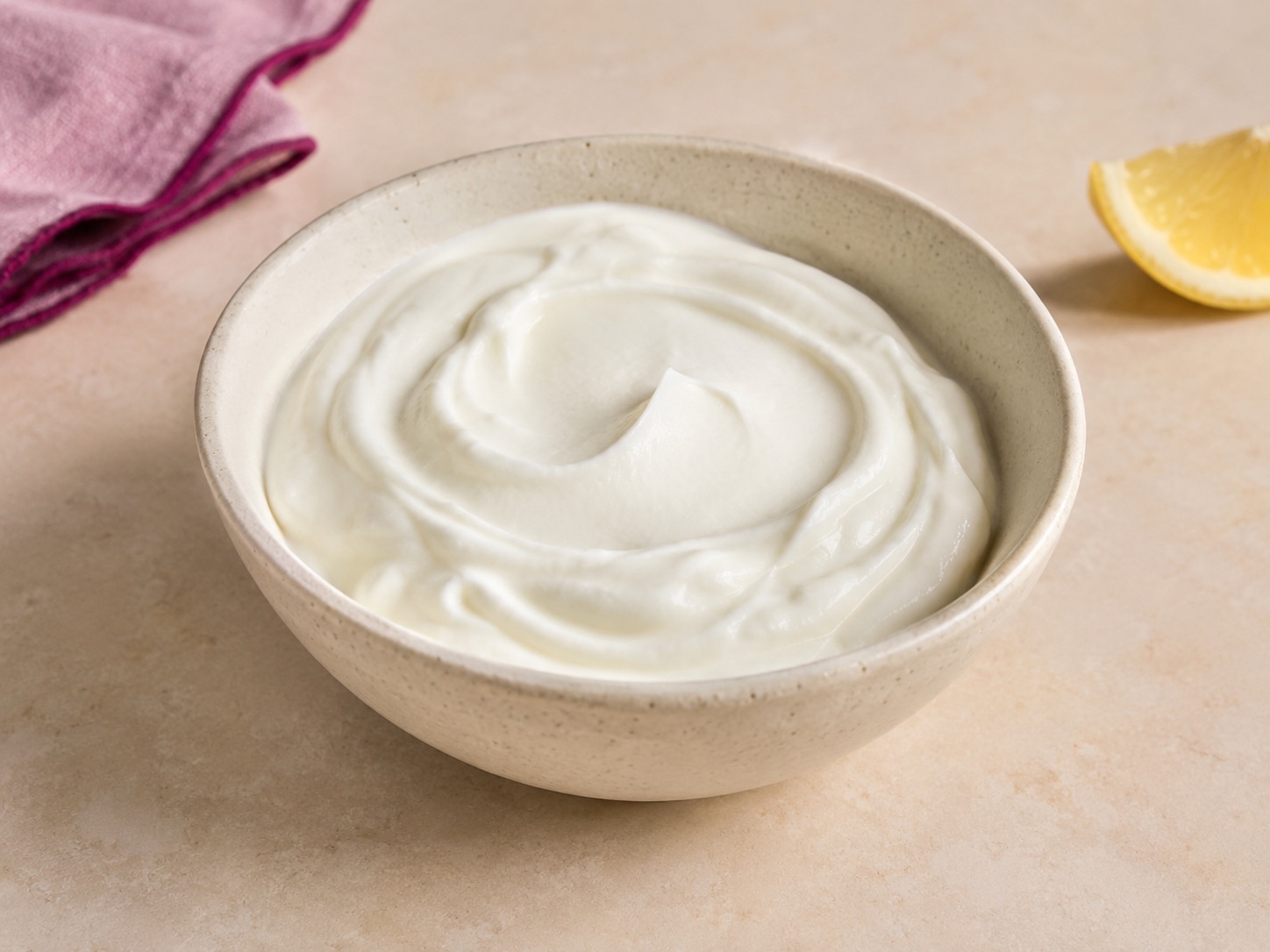
Greek yogurt

A high-protein dairy ingredient that can anchor breakfasts, sauces, snacks, and simple desserts.

First move

Choose plain Greek yogurt, then add fruit, cinnamon, or a measured crunchy topping yourself.

Best uses

  • Breakfast bowls with fruit and oats
  • Tzatziki-style sauces for bowls and wraps
  • Protein-rich dips for vegetables or potatoes

Pairings

OatsBerriesChia seedsChicken breast

Watchouts

  • Sweetened cups can turn into dessert-sized sugar portions.
  • Dairy tolerance varies; lactose-free or fortified soy options may fit better for some people.
Prep notes, clinical notes, and sources

Prep notes

  • Plain versions give more control over sweetness.
  • Two-percent yogurt often feels more satisfying than fat-free for some people.
  • Use it as a sauce base with lemon, garlic, herbs, and salt-conscious seasoning.

Clinical notes

  • People with milk allergy need non-dairy alternatives.
  • Kidney disease, potassium restrictions, or phosphorus restrictions may affect dairy choices.

Sources

Vegetable

Ingredient guide

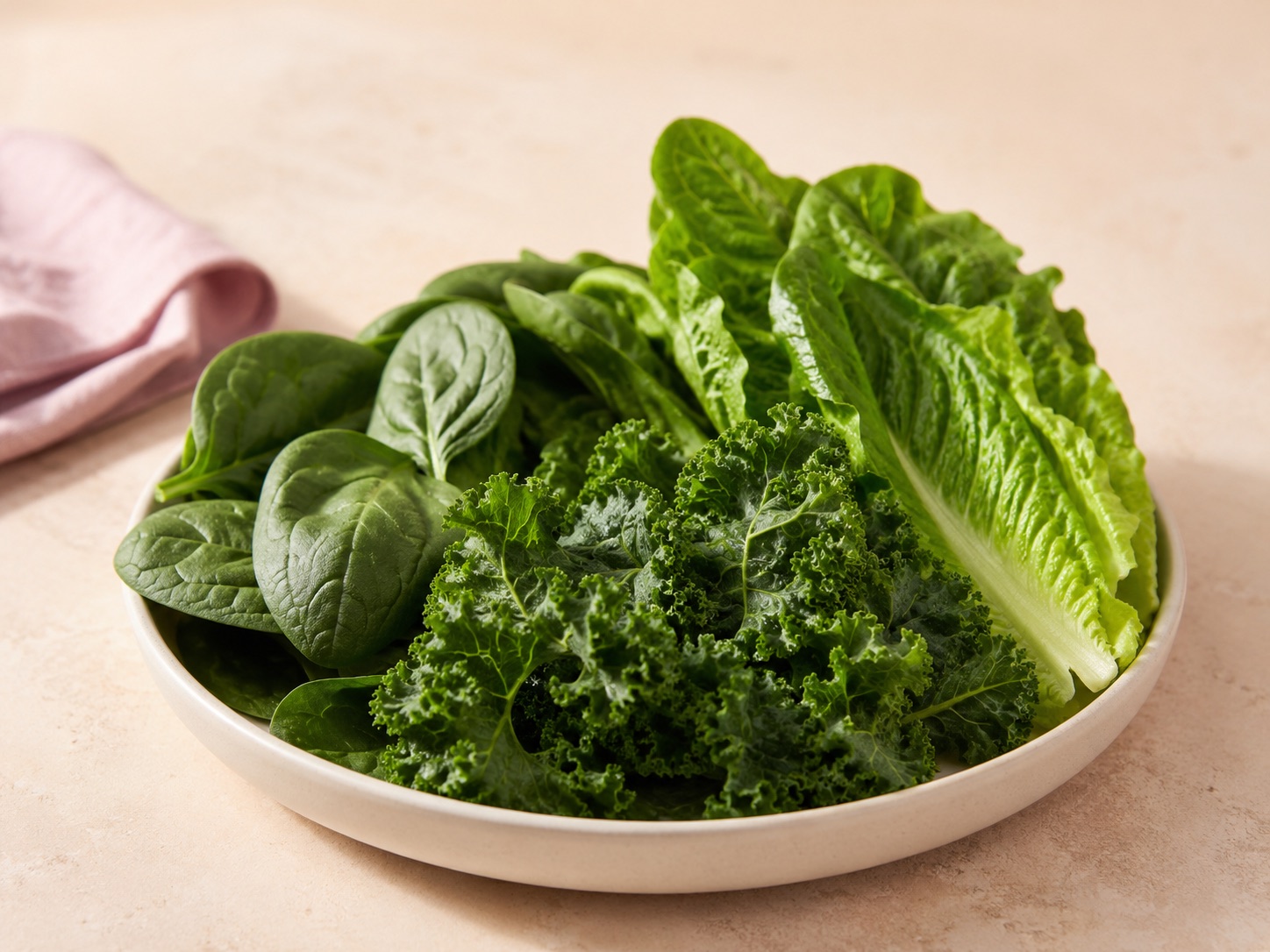
Leafy greens

Low-calorie, high-volume vegetables that can expand bowls, eggs, soups, wraps, and plates.

First move

Add one handful of greens to a meal you already eat instead of starting with a giant salad plan.

Best uses

  • Base for bowls and salads
  • Folded into eggs, tofu, soups, or pasta
  • Side salad with protein-forward meals

Pairings

EggsSalmonLentilsOlive oil

Watchouts

  • Dressings, toppings, and cheese can carry most of a salad's calories.
  • Vitamin K consistency matters for some blood-thinning medications.
Prep notes, clinical notes, and sources

Prep notes

  • Use pre-washed greens when convenience decides adherence.
  • Cook greens down when raw volume feels like too much.
  • Dress with acid, herbs, and measured fats.

Clinical notes

  • People on warfarin should keep vitamin K intake consistent and follow clinician guidance.
  • Kidney disease may change potassium targets for some greens.

Sources

Legume

Ingredient guide

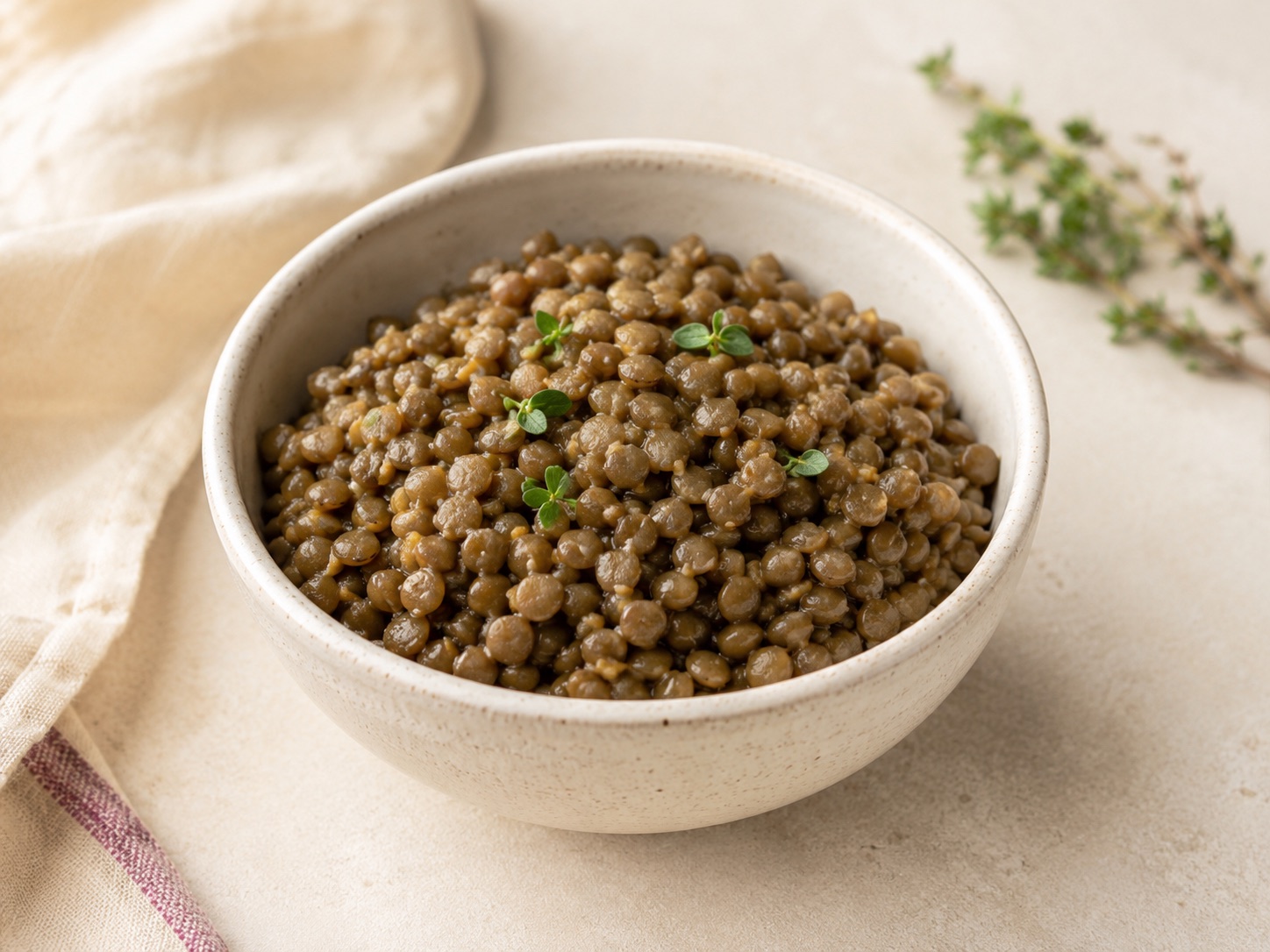
Lentils

A high-fiber plant protein that cooks faster than many beans and fits soups, bowls, salads, and sauces.

First move

Cook one batch of lentils and use it in two meals: a soup and a bowl or salad.

Best uses

  • Lentil soup with vegetables
  • Lentil bowls with greens and yogurt sauce
  • Red lentils simmered into curry or pasta sauce

Pairings

Leafy greensQuinoaGreek yogurtOlive oil

Watchouts

  • Large sudden portions can cause digestive discomfort.
  • Canned or packaged lentil meals can be sodium-heavy.
Prep notes, clinical notes, and sources

Prep notes

  • Red lentils soften quickly for soups and sauces.
  • Green or brown lentils hold shape better for salads and bowls.
  • Rinse canned lentils to reduce sodium when needed.

Clinical notes

  • People with kidney disease may need personalized potassium, phosphorus, or protein guidance.
  • People with digestive conditions may need smaller servings or lower-FODMAP alternatives.

Sources

Whole grain

Ingredient guide

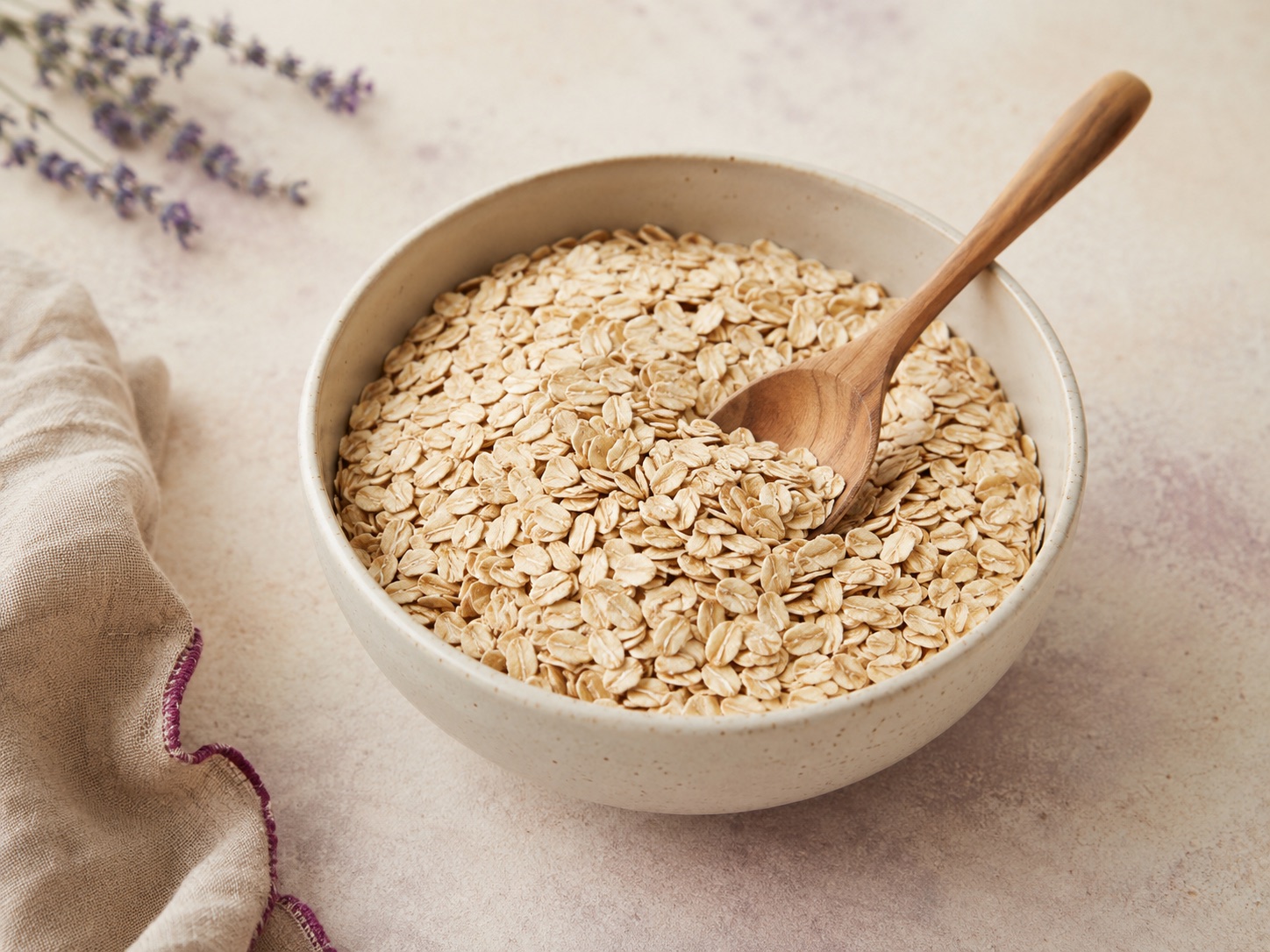
Oats

A fiber-rich whole grain that can make breakfasts and snacks more filling without much cooking complexity.

First move

Build one default oat bowl with protein, fruit, and a measured topping instead of relying on sweet packets.

Best uses

  • Overnight oats with Greek yogurt or fortified soy milk
  • Warm oatmeal topped with berries, nuts, or seeds
  • Savory oats with eggs, tofu, greens, or beans

Pairings

Greek yogurtBerriesChia seedsCottage cheese

Watchouts

  • Flavored packets can add a lot of sugar for a small portion.
  • Fiber increases are easier to tolerate when they are gradual and paired with fluids.
Prep notes, clinical notes, and sources

Prep notes

  • Use rolled oats for texture and quick oats when speed matters more.
  • Add protein because oats alone may not be enough for a filling weight-loss breakfast.
  • Measure calorie-dense toppings like nut butter, honey, and dried fruit.

Clinical notes

  • People with celiac disease should use certified gluten-free oats when oats are tolerated.
  • People managing diabetes may need to test portion size and toppings against glucose response.

Sources

Unsaturated fat

Ingredient guide

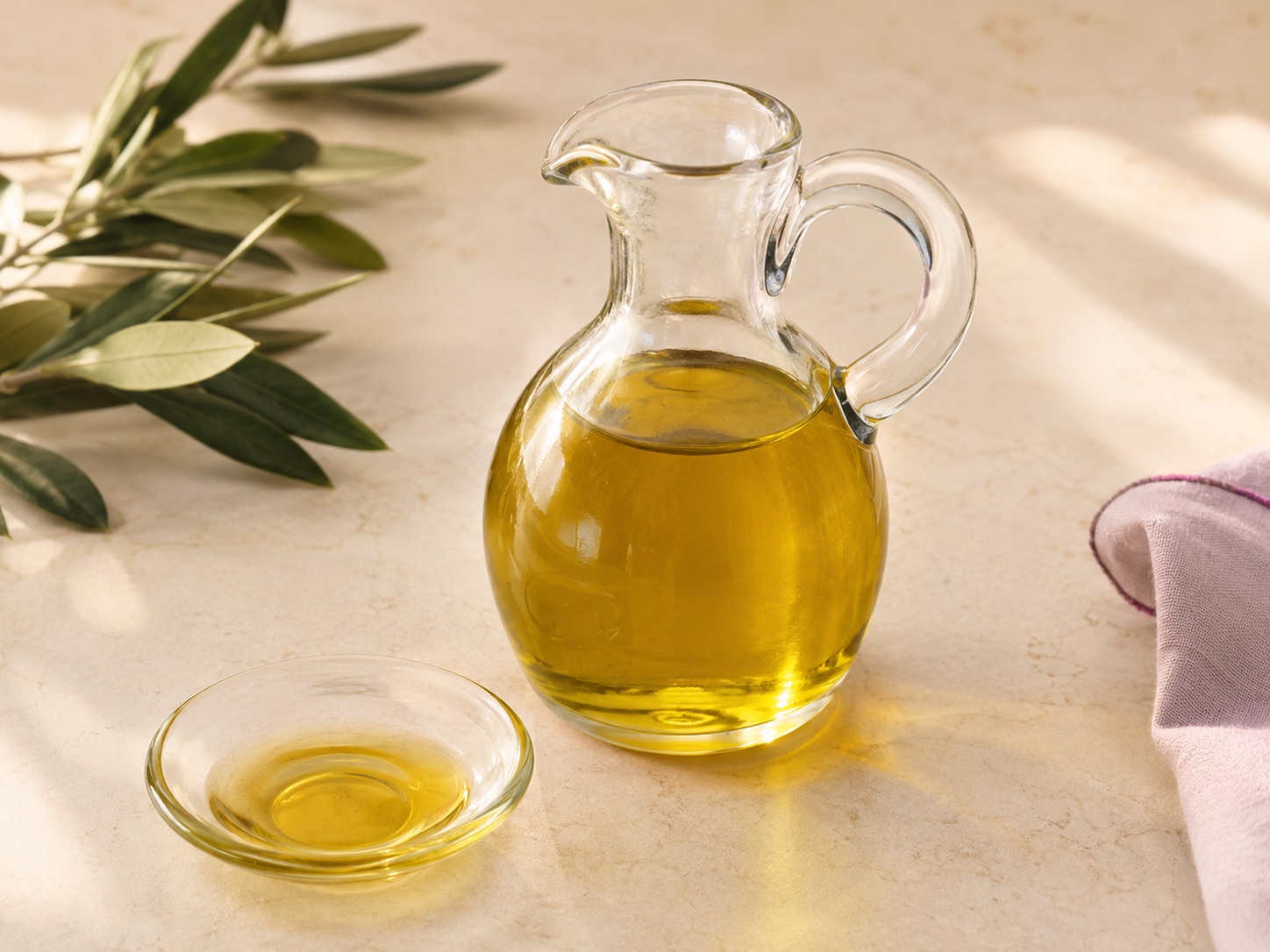
Olive oil

A flavorful unsaturated fat that can improve vegetables, salads, beans, and fish when used deliberately.

First move

Measure olive oil for one week to learn what your usual pour looks like.

Best uses

  • Vinaigrettes for salads and beans
  • Roasted vegetables
  • Finishing oil for fish, lentils, or whole grains

Pairings

Leafy greensBroccoliLentilsSalmon

Watchouts

  • Oil is calorie-dense; free-pouring can erase the intended portion.
  • It should replace less useful fats more often than simply add to them.
Prep notes, clinical notes, and sources

Prep notes

  • Measure when the goal is weight loss.
  • Use vinegar, citrus, herbs, and spice so less oil still tastes complete.
  • Store away from heat and light.

Clinical notes

  • People with gallbladder symptoms or fat-malabsorption concerns may need individualized fat guidance.
  • Oil does not make a meal healthy by itself; the whole pattern matters.

Sources

Starchy vegetable

Ingredient guide

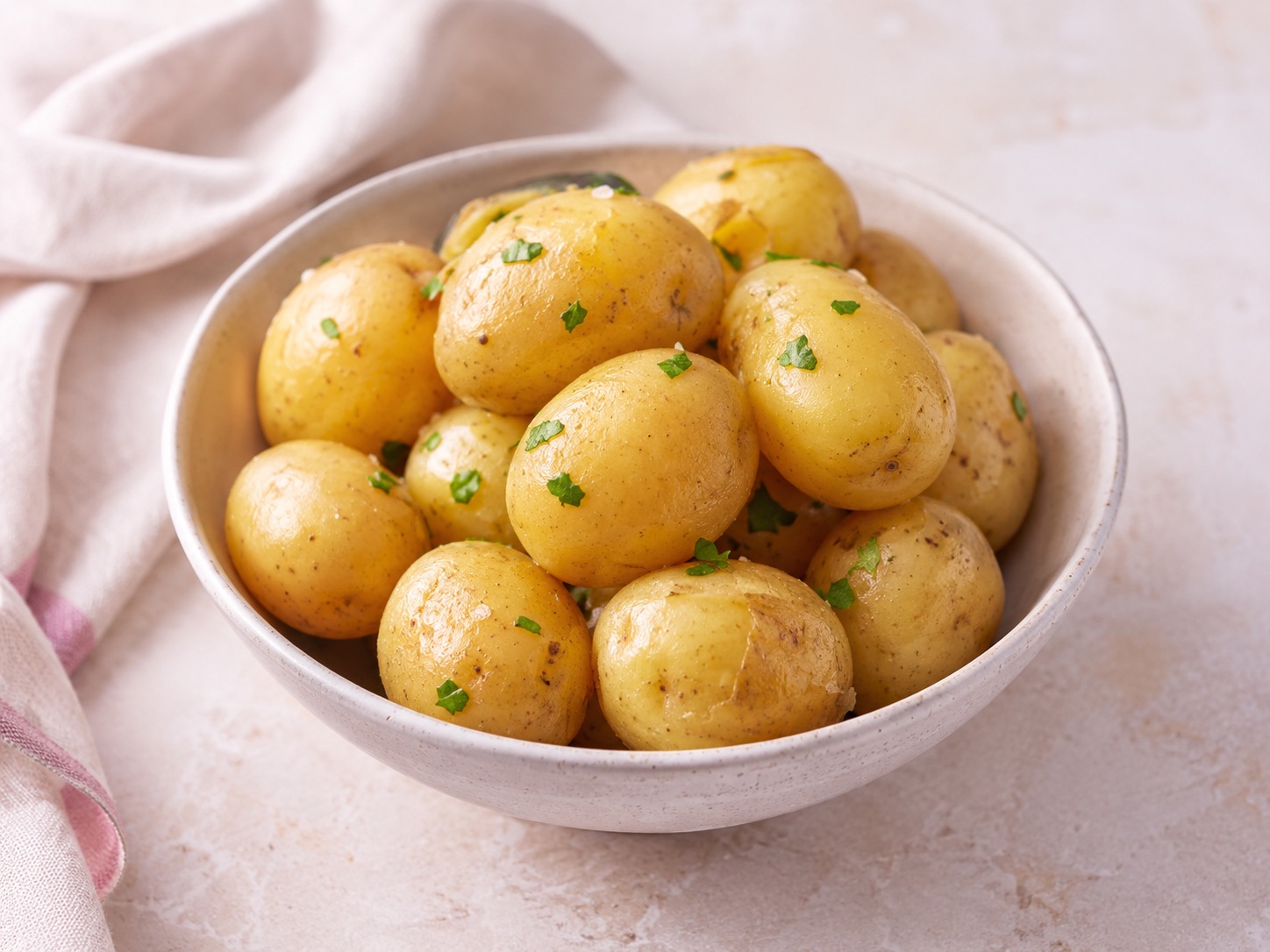
Potatoes

A filling starchy vegetable that can support simple meals when cooked plainly and paired with protein and vegetables.

First move

Use boiled or baked potatoes as the starch in a protein-and-vegetable plate.

Best uses

  • Baked potato with cottage cheese, beans, or Greek-yogurt sauce
  • Boiled potatoes cooled for salads
  • Roasted wedges with vegetables and lean protein

Pairings

Cottage cheeseEggsGreek yogurtBroccoli

Watchouts

  • Fries, chips, butter, cream, and large toppings change the health profile.
  • Portion and preparation matter more than the ingredient name.
Prep notes, clinical notes, and sources

Prep notes

  • Bake, boil, or roast more often than frying.
  • Keep toppings measured and protein-forward.
  • Cook extra potatoes for fast meal assembly.

Clinical notes

  • People managing diabetes may need to test potato portions and preparation against glucose response.
  • Kidney disease or potassium restrictions can change potato preparation and portions.

Sources

Whole grain

Ingredient guide

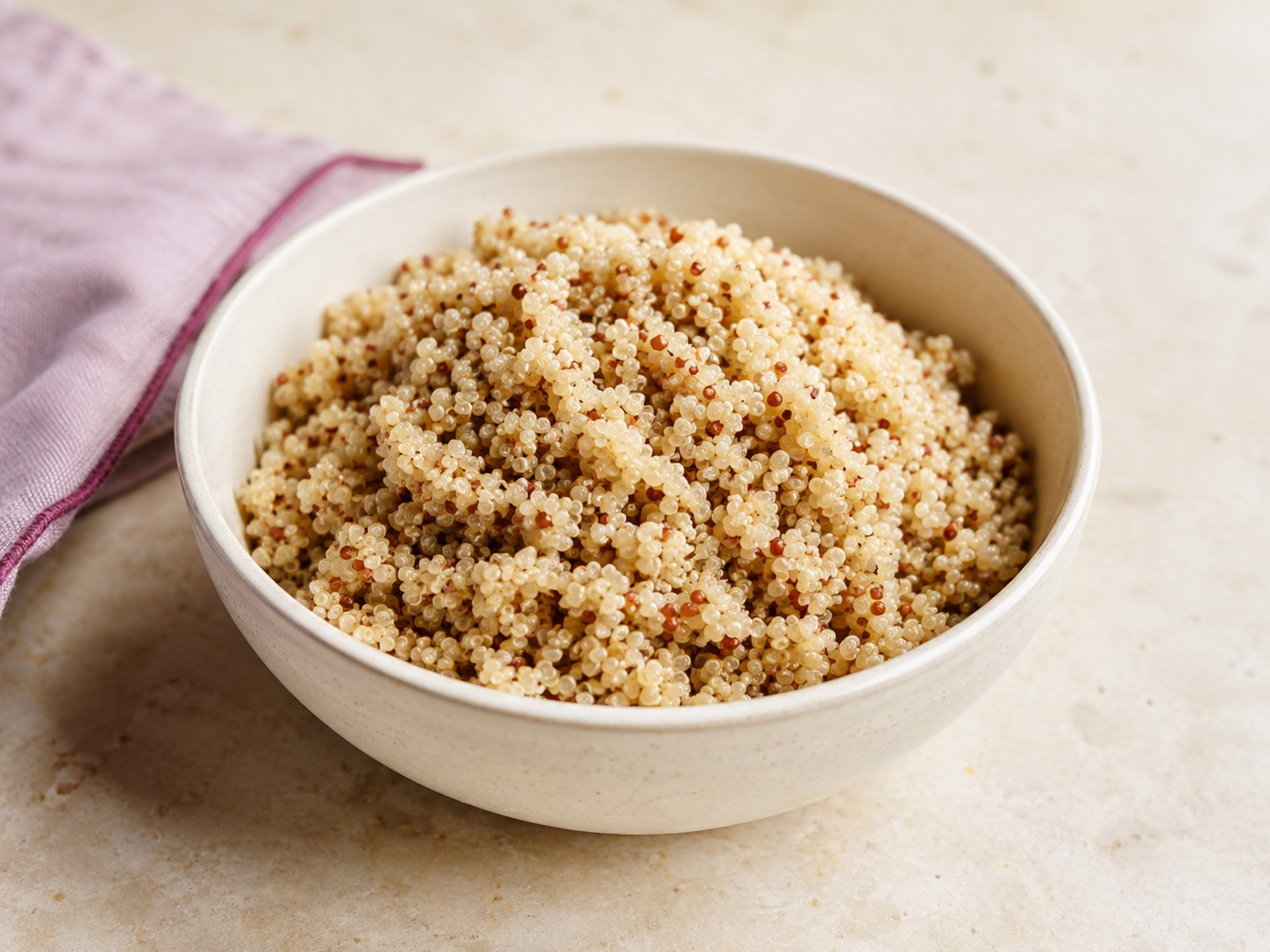
Quinoa

A quick-cooking whole-grain-style seed that adds fiber, texture, and some protein to bowls and salads.

First move

Batch cook quinoa and portion it as the base, not the entire bowl.

Best uses

  • Bowls with beans and vegetables
  • Cold salads with herbs and lemon
  • Side dish with salmon or chicken

Pairings

Black beansLentilsTofuLeafy greens

Watchouts

  • Large grain bowls can become calorie-heavy if toppings are not planned.
  • Protein is useful but not high enough to replace a dedicated protein for everyone.
Prep notes, clinical notes, and sources

Prep notes

  • Rinse if the flavor tastes bitter.
  • Cook in broth or season after cooking for better flavor.
  • Use measured portions in bowls with plenty of vegetables.

Clinical notes

  • Naturally gluten-free, but cross-contact can matter for celiac disease.
  • People managing blood sugar should test portions and pairings.

Sources

Seafood protein

Ingredient guide

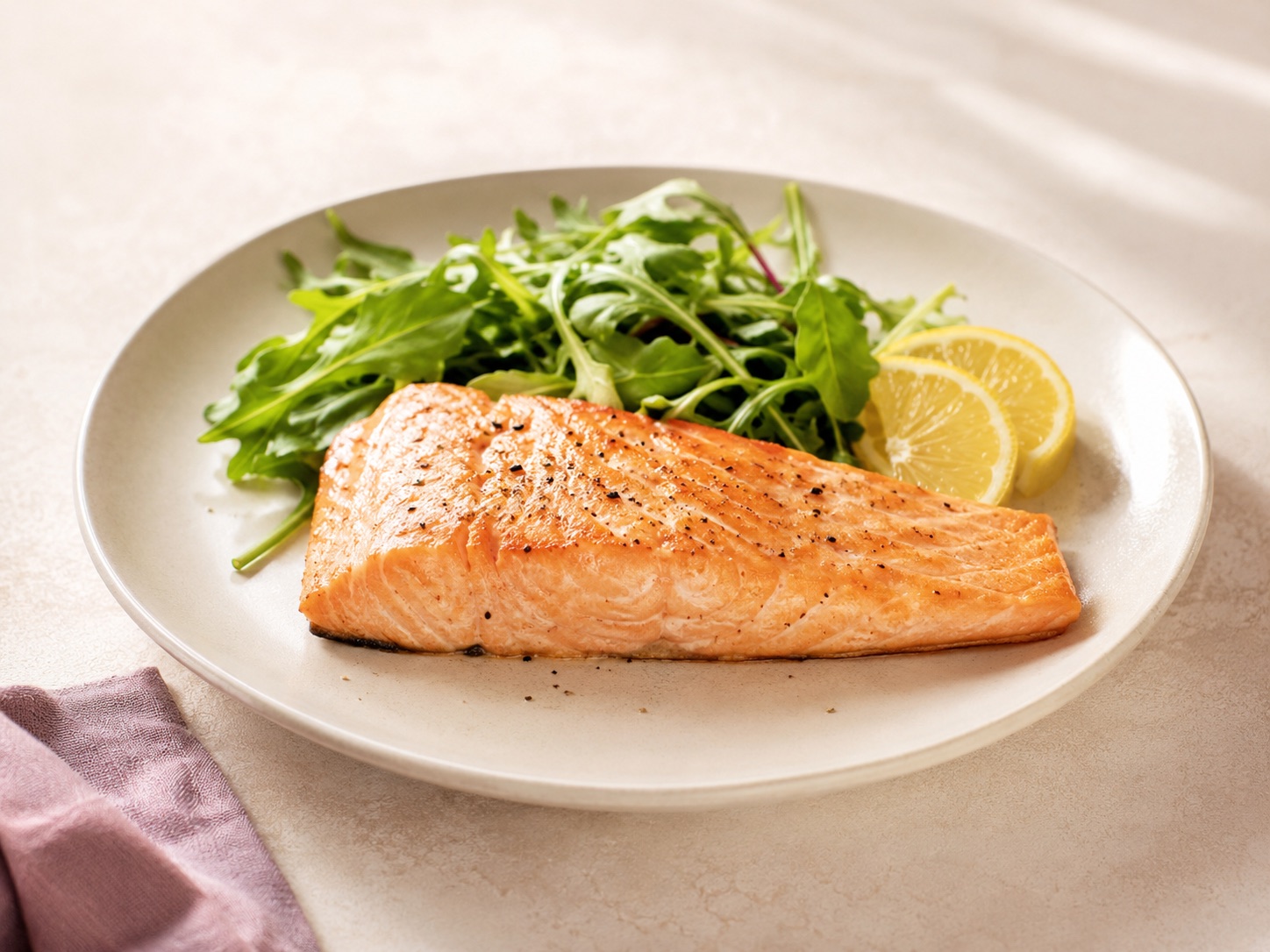
Salmon

A protein-rich fatty fish that brings omega-3 fats and works well with simple vegetables, grains, and salads.

First move

Plan one salmon meal with vegetables and a high-fiber side rather than treating fish as the whole plate.

Best uses

  • Baked salmon with roasted vegetables
  • Salmon salad over greens
  • Canned salmon patties or bowls

Pairings

Leafy greensPotatoesQuinoaOlive oil

Watchouts

  • Sauces, breading, and restaurant portions can add more calories or sodium than the fish itself.
  • Seafood choices may need personalization during pregnancy or for mercury guidance.
Prep notes, clinical notes, and sources

Prep notes

  • Canned salmon can be a lower-cost backup.
  • Use lemon, herbs, mustard, yogurt sauce, or salsa before heavy sauces.
  • Balance the plate with produce and fiber.

Clinical notes

  • Pregnancy, breastfeeding, and frequent seafood intake should follow seafood safety guidance.
  • Fish allergy requires avoidance.

Sources

Soy protein

Ingredient guide

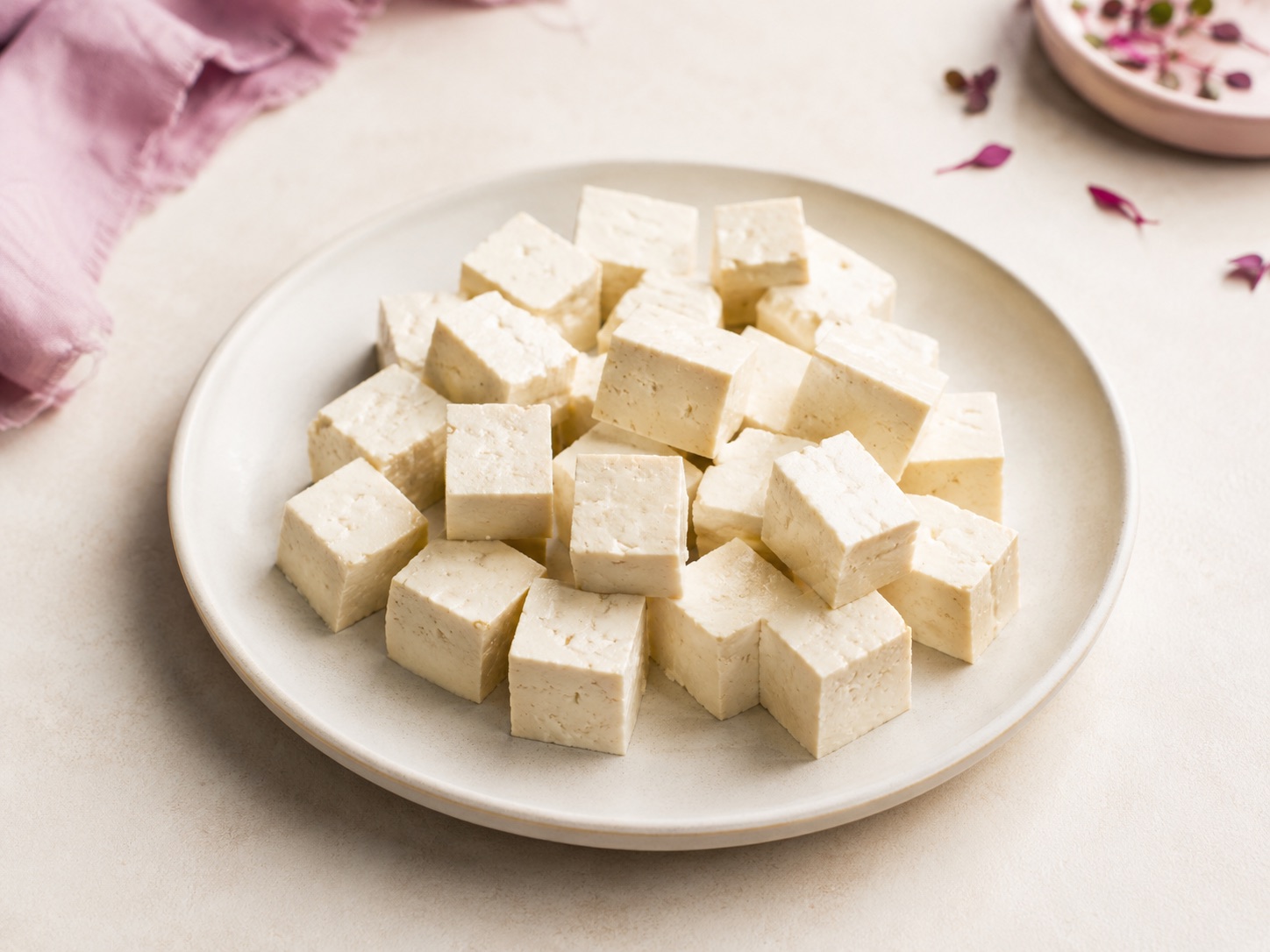
Tofu

A versatile soy protein that absorbs sauces well and can support plant-forward meals without much saturated fat.

First move

Press firm tofu, season it well, and pair it with vegetables before adding a large starch portion.

Best uses

  • Crisped tofu for bowls
  • Tofu scramble with vegetables
  • Silken tofu blended into sauces or smoothies

Pairings

BroccoliLeafy greensQuinoaOlive oil

Watchouts

  • Fried tofu dishes can shift the meal toward higher calories.
  • Sauces and marinades can carry most of the sodium.
Prep notes, clinical notes, and sources

Prep notes

  • Firm tofu works well for baking, searing, and air frying.
  • Silken tofu works best for blending.
  • Use strong flavors: ginger, garlic, citrus, vinegar, herbs, and spice.

Clinical notes

  • Soy allergy requires avoidance.
  • People with thyroid medication questions should ask their clinician about timing and consistency.

Sources